Fingertip Injuries
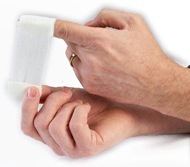 When you injure your fingertip, there are several things that will guide you and your doctor toward the right treatment for you. These include how it happened, what is injured, and your personal situation and goals (medical conditions, hand dominance, what your occupational and other needs are). Small defects in the fingertip usually can be treated with dressing changes. Nail bed injuries usually are repaired. Severely damaged fingertips might be treated best by amputation, again, depending on the situation.
Your injured fingertip might be sensitive for a long time; desensitization programs under guidance of a hand therapist can be helpful. The sensation to light touch, pain, and temperature might not return completely. Be patient, realizing that an injured area of the body might not ever be 100% normal, but that doesn’t mean it won’t do its job for you.